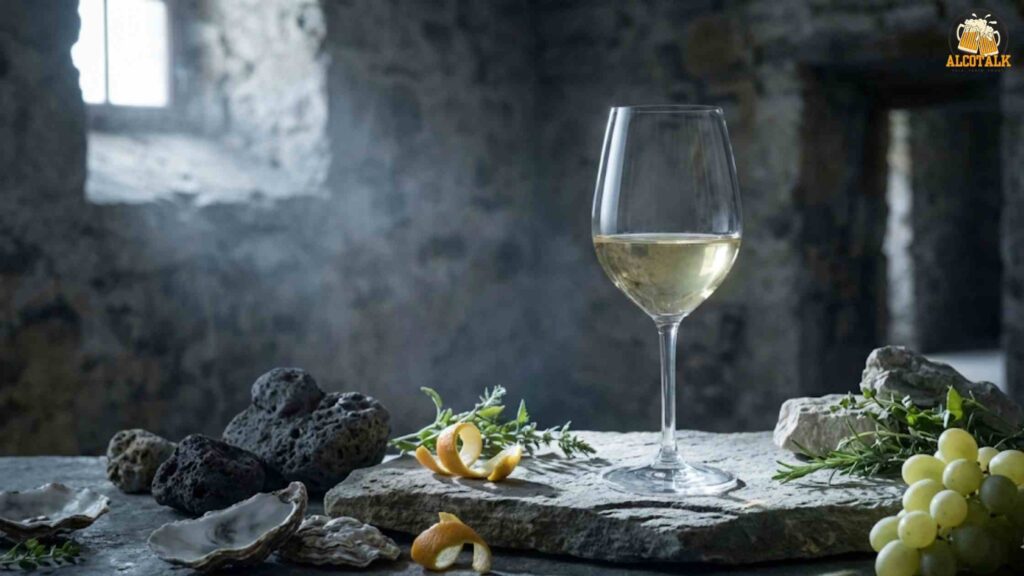
Down in the cool, forgotten cellars of old vineyards, where the walls sweat, and the air clings to you, dry white wine isn’t just something you pour in a glass. It’s sharp, almost cutting—clear as crystal, stubborn as stone. The first sip? It snaps across your tongue, bright and quick, like catching a bit of sunlight on an old slate roof. But don’t let that clean edge fool you.
A lot is happening under the surface—layers of mineral from volcanic earth, faint memories of Persian orchards, and the wild, hungry rush of yeast turning sugar into something new. This isn’t that sweet Riesling your grandmother liked.
Not even close. Dry whites want your attention. If you’re willing to pay it, they’ll tell you stories—some mouth-puckering, some floral, all alive. They love oysters, and they’ll take the browned bits at the bottom of your pan and turn dinner into something you won’t forget.
So, what’s really behind their magic? It’s a rare place these grapes grow. It’s weird little quirks in the soil—like geosmin, that earthy, rain-on-dirt smell. It’s bold, almost rebellious food pairings—imagine Assyrtiko with smoked eel. You just have to dive in. Let the story unfold, unpredictable as a sudden summer storm over the Loire.
Pick Apart the Heart of Dry White Wine: What It Is, Where It Started, and Why It’s Still a Mystery
Dry white wines—they’re all about restraint, but there’s a lot more going on if you stick around. When winemakers let fermentation run its course, barely any sugar’s left—less than four grams per liter for the real thing.
That’s how you get a wine that’s all nerve, no fluff. And the history? It goes back way before Rome. We’re talking traces of dry white wine in King Tut’s tomb, back in Egypt’s third century A.D. Picture that—a pharaoh raising a glass that would taste almost modern.
Wild, right? There’s science, too: molecules like glycerol trick your tongue, making you think it’s sweet even when it’s bone-dry. This isn’t a clinical breakdown. It’s more like a sommelier stumbling on a forgotten vintage—curious, a little feverish.
1. What’s a Dry White Wine, Really?
So, what is dry white wine? It’s not just a less-sweet version of something else. It’s a stripped-down, acid-driven wine where the grapes lose all their sugar to hungry yeast. Think about it: pale grape clusters, pressed fast to keep things clear—no skin contact, no extra tannin.
Fermentation takes over, sugar turns to booze, and what’s left is so sharp, it could curl milk. But some wines stand out. Take Assyrtiko from Santorini, grown in volcanic dust—ferments into a salty, flinty whirlwind, almost electric.
And here’s a geeky fact: this grape shrugs off phylloxera, growing on its own roots while others need help. That’s a trick from way back. So, “dry” isn’t about what’s missing—it’s about what’s turned up. Citrus. Herbs. A finish that hangs around long after the sip.
2. Dry White Wines—All Kinds of Oddballs
Not all dry whites fit the same mold. Some are downright weird. Txakoli, from Spain’s Basque coast, comes with a bit of fizz and tastes like green apples. Those grapes—Hondarribi Zuri—get picked before the sun gets too hot, just to keep that snap.
Or take Grüner Veltliner from Austria—forget the usual stuff. The rare blends from Wachau’s stone terraces taste like white pepper and river rocks. There’s a reason: these wines don’t have much in the way of phenolics (stuff like caftaric acid), so they don’t brown or oxidize easily.
These aren’t wines you find everywhere. They’re shaped by their soil—spicy from loess, steely from schist. Some shine fast and fade, others echo with earth for ages.
3. Dry White Wines—Echoes from the Past
These wines aren’t new. They’re ancient, carrying hints of Persia, where people tamed wild vines in the Zagros Mountains 6,000 years ago. Not the big reds you read about in legends—these were pale, pressed clean, fermented in clay jars under the stars.
Skip ahead to medieval France—Cistercian monks in Chablis turned fossil-rich marl into mineral-driven Chardonnay, making wine that tasted like the sea. And here’s a tidbit: when phylloxera tore through 19th-century California, some Napa whites survived.
Old “mission” grapes like Semillon mutated, giving dry whites with weird lychee notes. It’s not just trivia. These roots run deep, twisting through centuries, holding the whole story together.
4. Illusions and Faults in Dry White Wines
Dry white wines love to play tricks. That hint of “sweetness” isn’t sugar—it’s the warmth from alcohol or the smooth touch of glycerol. Our taste buds, always on the lookout for sugar, get fooled.
Go a bit deeper, and you’ll find wild stuff: Sauvignon Blanc packs in those infamous cat’s pee notes (yes, really), thanks to volatile thiols that only show up after fermentation. It’s a bit of chemistry mischief.
But it’s not all fun and games. There’s geosmin, the moldy, earthy culprit that sneaks in from dodgy corks or beetroot soil, hitting your nose even at crazy-low levels—just 70 nanograms per litre, and suddenly your wine smells like a damp basement. Sometimes you can save it by stirring the lees, which helps bind up that mustiness.
Then there’s Viognier, with its surprise black pepper finish—thanks to terpenes when Syrah vines share the same cool nights in the Rhône. That’s rare and a little weird, but honestly, the quirks make these wines interesting. Perfection? Boring. It’s the oddballs that stick with you.
Mastering the Art: Varieties, Palates, and Culinary Magic with Dry White Wine
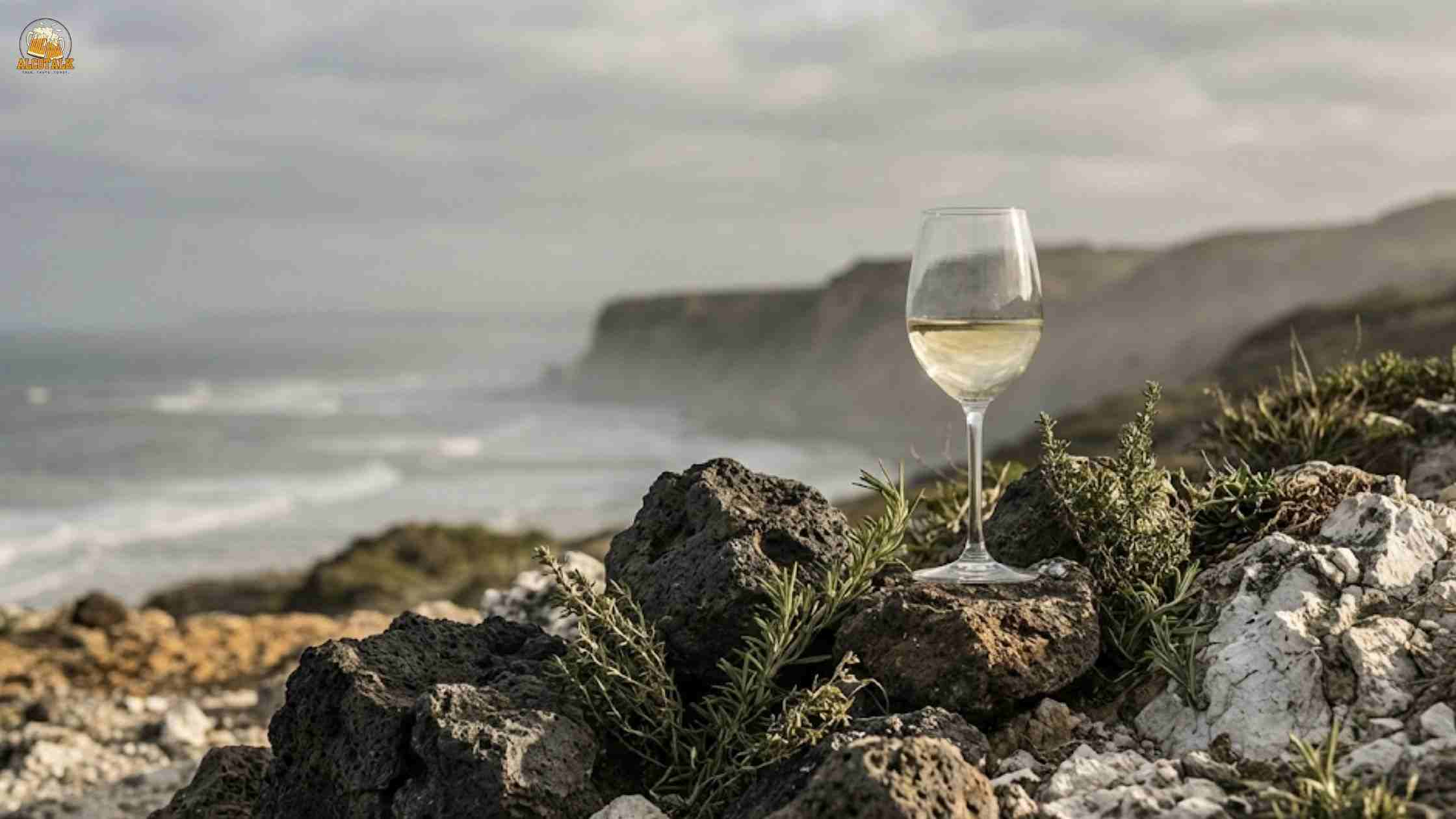
Dry white wine doesn’t just belong in a glass; it’s just as much at home in your skillet. There’s a wide range out there: Sancerre slashes in with green herbs, unoaked Chardonnay slips in buttery but never heavy.
Albariño whispers tropical, while Savennières Chenin throws flint and attitude. And forget the tired steakhouse pairings—imagine deglazing venison with fizzy Txakoli or pouring Assyrtiko over peak-season tomatoes.
Most folks skip the science, but it matters: acidity drops the pH and tenderizes protein, while the aromas get more intense as the wine boils down, deepening umami. Or take a risk—Grüner Veltliner with Thai basil and heat, where the acidity slices right through the spice. It’s a wild ride, and you’re just getting started.
5. Dry White Wine for Cooking: Hidden Depths
When you cook with dry white wine, don’t just grab the leftovers at the back of the fridge. Pick with purpose. Pinot Grigio’s clean, crisp profile works magic in risotto, cutting the starch and letting everything else shine.
Want something more interesting? Try Peter Zemmer’s Alto Adige Pinot Grigio—those alpine herbs and minerality light up an osso buco, matching the dish’s richness. And here’s a science bit: as you reduce the wine, ethyl acetate forms and gives your sauces a nutty, layered depth.
For everyday braises, boxed wine works—no shame, it’s practical, and any rough edges smooth out once the heat hits. A quick pour brightens a dish; let it simmer, and it weaves everything together.
6. Exotic Types Among Dry White Wines
Dry white wines have their wanderers. Take Portugal’s Alvarinho, the twin of Spain’s Albariño, bubbling with a salty tang straight out of Vinho Verde’s granite hills. It begs for ceviche.
Sicily’s Grillo is another oddball—born from Zibibbo crosses, dry as a bone, with a bitter almond finish and a backstory tangled up in phylloxera epidemics. Then there’s Etna’s Carricante, grown on volcanic slopes, tasting of pears and smoke, and so rare that you’ll struggle to find it outside a handful of cellars.
These wines don’t care about supermarket shelves. They wander from flavors of quince to pure stone, as unpredictable as the volcanoes they come from.
7. Taste Profiles of Select Dry White Wines
Tasting dry whites is like hearing a secret nobody quite finishes telling. Sauvignon Blanc throws gooseberry and a hint of green from neighboring Merlot vines—something most people don’t even notice.
Unoaked Chardonnay brings lemon pith and wet stone, staying bright and fresh by skipping the butter treatment. Chenin Blanc from the Loire is a wild card: dry, with quince and chalk, but every bottle shifts, thanks to a dab of botrytis that never goes rotten. It’s a burst of minerals, acidity cutting through, always moving.
Grüner Veltliner? Think green beans from cool fermentation, all thanks to a quirky molecule called trans-2-hexenal. Each wine profile has its own pulse—alive, always just out of reach.
8. Best Uses for Dry White Wine for Cooking
Dry white wine does way more than deglaze pans. Picture Babich Marlborough Sauvignon Blanc waking up a green curry, its grassy, peppery notes bouncing off galangal and chili—something New Zealand winemakers actually tested in the lab.
Or try sparkling dry whites, like a brut Prosecco, for poaching lobster—those bubbles make the shellfish unbelievably tender. Assyrtiko, with its ocean brine, is perfect in a classic bouillabaisse, echoing the sea.
One thing: skip the oaked stuff. Vanilla flavors get muddy in stocks or sauces. Instead, use wines with good acidity to break down proteins in marinades, making tougher cuts like flank steak melt-in-your-mouth soft.
It’s not just about adding flavor. It’s about transforming ingredients, making ordinary meals unforgettable.
Conclusion
And when the last drop clings to your glass, dry white wine leaves you with a sense of mystery—something solved, but never fully explained.
From ancient vineyards to your kitchen, these wines tie together history, science, and pure pleasure. Hunt down the oddballs. Enjoy the surprises. You’ll never taste the world the same way again.
Read Also: